Tag Archives: growth

How Founders Can Reduce SaaS Churn in the First 12 Months

Churn is the silent killer of early-stage SaaS. You can win new customers, but if they leave quickly, growth stalls before it even begins. In the first twelve months, reducing churn is the single biggest lever for sustainable growth.

Here are three practical ways founders can make an immediate impact.

(1) Onboarding is everything:

The first experience sets the tone. If customers don’t see value quickly, they drift away. Onboarding should be more than product walkthroughs – it’s about proving outcomes. Make the first 30 days a success story, with clear milestones and check-ins.

(2) Measure adoption, not just logins:

Too many founders track vanity metrics like account sign-ups. What really matters is adoption – are users actually achieving what they came for? Define success behaviours in your product and measure against them. Low adoption early on is the clearest warning signal for churn.

(3) Talk to customers before it’s too late:

Silence doesn’t mean satisfaction. Set up feedback loops and proactive check-ins, especially in the first 90 days. Health scores, NPS and customer calls give you the insight to fix issues before they become cancellations.

Reducing churn isn’t glamorous, but it’s the foundation of growth. If you’re a founder struggling to keep customers, I can help.

But the bigger picture is clear – most SaaS startups fail not from lack of customers, but from lack of retention.

How to Become Truly Customer-Centric

Plenty of companies say they’re customer-centric. Far fewer actually are.

Here’s the truth: you can’t train your way into customer centricity. You have to lead it, design for it and measure it.

Start at the Top

Leaders set the tone. If the board and exec team aren’t focused on customers, no one else will be. The shift happens when leaders:

  • Ask customer-focused questions every day

  • Set expectations for cross-team collaboration

  • Celebrate stories of real customer impact

Fix the Gaps Between Teams

Most customer pain comes from silos – not individual teams. Think about handovers. To customers, these are often moments where context is lost, ownership is unclear and trust takes a hit. The fix?

  • Overlap responsibilities between sales, onboarding, customer success and support

  • Share goals and metrics that link directly to customer outcomes

  • Make accountability visible, not assumed

Measure What Matters

If your KPIs don’t reflect customer outcomes, they’re the wrong KPIs. Move beyond:

  • Renewal rates that ignore delivered value

  • CSAT scores disconnected from adoption and impact

  • Sales targets with no link to long-term success

Instead, align your metrics with mutual success and value for the customer and growth for you.

Make Feedback Actionable

Collecting feedback isn’t enough. Customers want to see it acted on. Close the loop:

  • Share what you’ve learned

  • Show what you’re changing

  • Demonstrate the difference it’s made

Commit to the Hard Work

Being customer-centric costs more upfront. It takes more time, more coordination and more alignment. But it pays back in loyalty, advocacy and growth.

Customer Centricity in Action

Customer Centricity in Action

Customer centricity isn’t a phase or a department – it’s a way of running your business. Get it right, and you don’t just win customers. You keep them.

Why Customer Centricity Matters More Than Ever

Today’s customers have changed – dramatically. They’re always on, always connected and always expecting more. They’re comparing you to the best experience they’ve ever had anywhere, not just to your closest competitor. That’s a very high bar.

Customer Centricity

Customer Centricity

The businesses that will thrive now aren’t necessarily the biggest, the cheapest or the flashiest. They’re the ones that truly put the customer at the heart of their strategy.

Customer Centricity Isn’t a Buzzword

It’s not a slogan you stick on a wall. It’s a way of working. That means:

  • Talking about customers in every team meeting, not just the quarterly review.

  • Replacing “what’s easiest for us?“ with “what’s right for the customer?“

  • Measuring success by outcomes achieved, not just internal activity completed.

The Stakes Are Higher

Customers have more choice than ever before. Switching is easy and loyalty is fragile. If you’re not showing value in every interaction, someone else will.

Technology Isn’t the Shortcut

AI, automation and analytics can help – but only if they’re aligned to what your customers actually need. Automating a bad process doesn’t make it customer-centric. Predictive insights are useless if you’re not acting on them.

The Real Payoff

Customer-centric organisations:

  • Build trust and credibility faster

  • See higher retention and growth

  • Adapt quicker because they understand changing needs

This isn’t about being nice to customers. It’s about building a sustainable business in a world where expectations keep climbing.

Why it's important

Why it’s important

Customer centricity used to be a differentiator. Now, it’s the entry ticket.

Customer Centricity: A Discipline, Not a Department

Customer centricity isn’t a slogan or a job title. It’s a daily decision – one that shapes how your entire business operates.

Too often, we treat it like an initiative. A project owned by one team. A slide in a leadership deck.

But if you want to drive real, sustainable growth, customer centricity must become a discipline. Something practiced every day by every team.

Why Being Customer-Centric Isn’t Optional Anymore

Markets move fast. Customer priorities shift. The definition of “value” is always evolving.

If we’re not moving with our customers, we’re falling behind. That’s the real test of customer centricity:

  • Can we adapt as quickly as they do?
  • Are we measuring outcomes that still matter to them?
  • Are we empowering our teams to flex when things change?

Being customer-centric isn’t about reacting. It’s about staying relevant.

What It Looks Like in Practice

Customer-led companies:

  • Build products based on outcomes, not assumptions
  • Let feedback shape decisions – even when it’s uncomfortable
  • Measure success through customer achievements, not just internal KPIs

And most importantly – they act fast.

They understand that listening isn’t enough. Customers want to see what’s changed because of their input. That’s how trust is built. That’s how advocacy grows.

The Discipline of Customer Relevance

This isn’t about launching a new CS programme or rolling out a flashy survey tool.

It’s about embedding customer thinking into the way you work:

  • Regularly revisiting what success looks like for customers
  • Aligning product, sales, marketing and success around shared customer outcomes
  • Creating space to move fast when priorities change

Customer centricity is a mindset. But more than that – it’s a discipline.

And the businesses that get it right aren’t just growing. They’re growing with their customers.

You don’t become customer-centric by saying it. You become customer-centric by proving it. Again and again.


Customer-Led Growth Isn’t a Project – It’s a Mindset Shift

Everyone wants to grow. But not everyone is willing to change how they work to make that growth sustainable.

Customer-led growth isn’t a campaign. It’s not a box to tick. It’s not something you hand off to your customer success team while the rest of the business carries on as usual.

It’s a permanent shift – in thinking, in decision-making, and in execution.


It’s Not a Project. It’s the Way You Operate.

Too many organisations treat customer feedback as an activity, not an asset. They run a survey, hold a few workshops, tweak a process or two, and expect to see long-term results.

But customer-led growth doesn’t come from one-off actions. It comes from a culture where:

  • Products are built based on real customer outcomes – not internal assumptions or legacy ideas

  • Success is measured through customer achievement – not just revenue, renewal or NPS

  • Roadmaps, strategies and priorities are shaped by customer insight = not convenience

If your decisions aren’t linked back to what your customers truly need and value, then you’re not customer-led. You’re customer-adjacent. And that’s a dangerous place to be.


Customer-Led Companies Win

The companies thriving today – and those that will lead tomorrow – are the ones willing to rethink how they work.

They understand that being customer-first isn’t a slogan. It’s a decision they make every day, in every department.

They don’t just collect feedback. They act on it.
They don’t just support customers. They partner with them.
They don’t just chase metrics. They deliver outcomes.

This shift is uncomfortable. It forces teams to collaborate in new ways. It challenges long-held assumptions. But it’s also the only way to create long-term value – for customers and for your business.


The Real Question

If you’re serious about growth, ask yourself this:

Who’s really leading it – you or your customers?

Because if it’s not your customers, don’t expect them to stick around for the long term.

The Role of Technology in Scaling Customer-Led Growth

Technology is a powerful enabler of customer-led growth, but it’s not a silver bullet. The best results come from combining the right tools with a customer focused strategy and human insight.

Customer centricity

How Technology Supports CLG?

➜ Personalisation at scale: Tools like CRM platforms, customer success platforms and customer data platforms enable you to tailor interactions based on individual customer needs and expectations.

âžœ Proactive support: AI and predictive analytics can identify at-risk customers, allowing you to intervene early. And provide  rapid valuable responses.

➜ Streamlined processes: Automation reduces the time spent on routine tasks, giving your teams more bandwidth to focus on delivering value.

Balancing Tech with the Human Touch

Technology can enhance customer experiences, but it can’t replace the human connection. Striking the right balance ensures customers feel supported and valued, not like just another number.

Investing in technology that aligns with your customer-led growth strategy can help you scale your efforts, deliver consistent value, and drive sustainable growth.

How To Help Your Customers To Succeed

If top CEOs were asked to answer the question “How do you help your customer succeed?”, their responses would focus on a mix of strategic, operational, and customer-centric approaches.

Here’s how they might structure their strategies…

1. Customer-Centric Approach:

  • Listen Actively: Continuously gather customer feedback through surveys, interviews, and data analytics to understand their evolving needs.
  • Tailor Solutions: Design products and services that align with customer goals and adapt offerings based on feedback to ensure they provide maximum value.
  • Provide Personalised Experiences: Leverage data to offer personalised interactions, focusing on anticipating customer needs before they arise.

2. Innovation & Agility:

  • Innovate Relentlessly: Invest in R&D to develop cutting-edge solutions that keep customers ahead of their competition.
  • Be Agile: Cultivate an organisational culture of flexibility to quickly respond to customer needs and market shifts.
  • Partner with Technology: Use AI, machine learning, and automation to offer faster, more accurate service and insights that help customers succeed.

3. Customer Success as a Partnership:

  • Co-create Value: Work collaboratively with customers, treating them as partners. Build solutions together to ensure mutual growth and success.
  • Educate and Enable: Invest in educating customers on how to leverage your products/services to drive their success through training and resources.
  • Outcome-Based Focus: Move beyond transactions to a relationship built on helping customers achieve their strategic goals, tracking metrics that matter to them.

4. Operational Excellence:

  • Proactive Support: Implement predictive customer service models to address issues before they become problems.
  • Invest in the Right People: Build a world-class customer success team that is empowered to support and delight customers.
  • Streamline Processes: Ensure that your internal processes are efficient and can scale to deliver a seamless, reliable experience for customers.

5. Long-Term Strategic Alignment:

  • Align on Vision: Ensure that your company’s mission and values align with those of your customers, reinforcing trust and a shared vision of success.
  • Measure Success Together: Establish KPIs and success metrics that both you and your customers can track, making sure progress towards their goals is transparent.
  • Foster Long-Term Relationships: Build loyalty by consistently delivering results, staying connected to customers’ long-term business objectives, and offering ongoing value.

6. Sustainability & Responsibility:

  • Sustainable Solutions: Ensure your products and services support customers’ ESG (Environmental, Social, and Governance) goals, offering sustainable practices that benefit both the customer and the environment.
  • Corporate Responsibility: Be a responsible partner, ensuring your values on diversity, inclusion, and community engagement align with those of your customers to foster trust.

What does it really mean to be customer centric?

Being customer centric is not just about setting the right goals – it’s about creating a culture where every team member, no matter what team they’re in, is empowered to put the customer first and to focus on delivering results for the customer.

Here are some practical steps for leaders:

(1) Set the example: As leaders, we need to champion customer-centric behaviours and decisions in everything we do.

(2) Foster a unified vision: Align every department and team around a shared understanding of customer value (and how to measure it), ensuring consistency in the customer experience and journey.

(3) Empower teams: Give your teams the tools, autonomy and insights they need to solve customer problems proactively.

(4) Continuous learning: Encourage ongoing learning from customer feedback and market trends to stay ahead of evolving needs.

(5) Recognise and reward: Celebrate and reward employees who demonstrate customer centric actions and decisions, fostering a culture of putting the customer first.

Think of it as a continuous journey not a one off project or initiative with leadership as the driving force behind it. By creating the right environment, we ensure both our customers and teams thrive together.

Building a Winning Customer Success Strategy

A successful customer success strategy goes beyond solving problems, it’s about ensuring customers achieve their desired outcomes and feel supported throughout their journey with your product or service.

Here are the key components for a working strategy:

(1) Understanding customer needs: Develop detailed buyer personas and map the customer journey to understand goals, challenges, and preferences.

(2) Clear communication: Maintain open, transparent communication to address queries promptly and ensure customers feel valued.

(3) Proactive engagement: Regularly engage with your customers, not just when problems arise. Proactive outreach (with value each time) demonstrates your commitment to their success.

(4) Structured onboarding: Guide new customers with a well planned onboarding process that includes training, tutorials and resources for smooth adoption.

(5) Leverage technology: Use customer success tools and CRMs to centralise data, track interactions and automate tasks, allowing teams to focus on building relationships (that grow).

(6)Measuring success: Set KPIs to assess satisfaction and retention, reviewing metrics regularly to refine and adapt your approach.

(7) Ongoing support: Provide continuous support across various channels, ensuring customers have access to help whenever they need it.

(8) Continuous improvement: Regularly evaluate and enhance your strategy based on customer feedback and evolving needs.

(9) Cross-departmental collaboration: Align sales, marketing, engineering, product and support teams to create a seamless, unified approach to customer success.

By focusing on these components, companies can foster customer satisfaction, retention and long-term loyalty.

Lean startup is broken for SaaS retention – here’s what actually works

Most SaaS teams still apply lean startup thinking to growth. That works for acquisition. It fails for retention and that’s exactly where revenue is leaking.

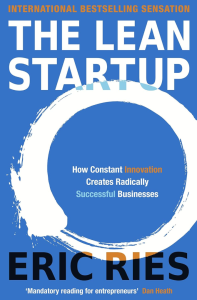
In the dynamic world of startups, where agility meets innovation, Eric Ries’s “The Lean Startup” stands as a pivotal guide for entrepreneurs seeking to make their mark without the burnout of resources. This groundbreaking book shifts the focus from traditional business models to a more iterative, customer-focused approach that champions the concept of ‘validated learning’.

Core Principles of ‘The Lean Startup’:

  • Build-Measure-Learn: At the heart of Ries’s philosophy is the Build-Measure-Learn feedback loop, encouraging startups to speed up their product development cycles by rapidly testing their ideas with minimal initial investment.
  • Minimum Viable Product (MVP): Ries introduces the concept of the MVP to test business hypotheses with the least effort required to start learning cycles, ensuring that product development is as efficient as possible.
  • Pivoting or Persevering: The book emphasises the importance of being flexible in business strategies. Startups must be willing to pivot (make substantial changes to their products) based on feedback or persevere with their current strategies based on validated learning.
  • Innovative Accounting: Ries advocates for a new form of accounting designed for startups-measuring progress, setting up milestones, and prioritising work to improve entrepreneurial outcomes.

Why ‘The Lean Startup’ is Essential Reading:

For those of us navigating the complexities of the tech industry, “The Lean Startup” offers a blueprint for managing startups in a way that radically improves their chances of success. It’s not just about ideas; it’s about learning how to adapt and adjust before it’s too late.

Conclusion:

A highly recommended read – click the link to get a copy from  “The Lean Startup” by Eric Ries  . The book is an indispensable resource for anyone involved in the startup ecosystem. It challenges traditional business methodologies and provides a practical framework for achieving success through continuous innovation and customer feedback.